
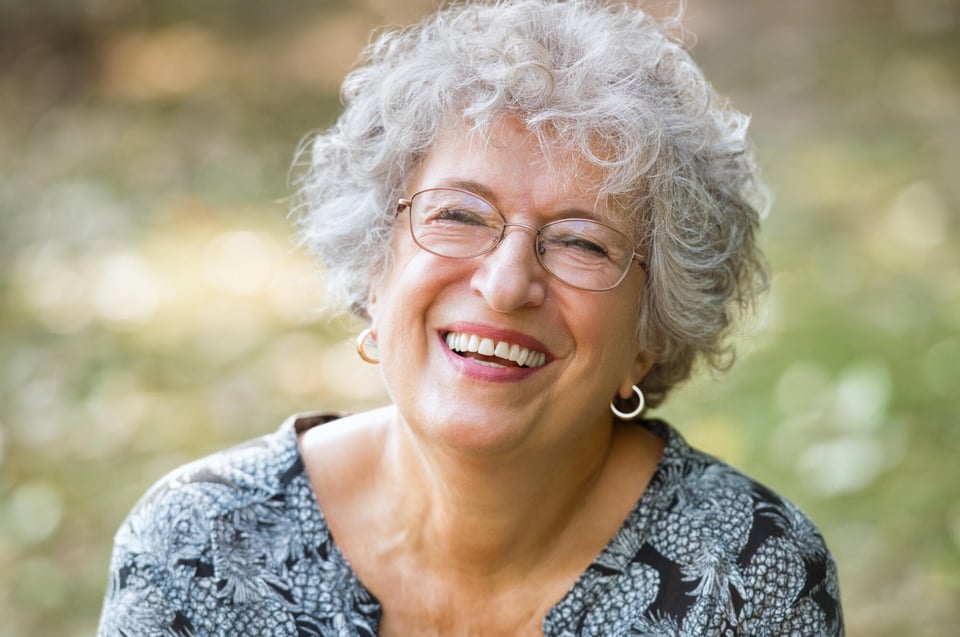
Seniors can build a resilient mindset for the year ahead by staying socially connected, practicing positive daily habits, and embracing activities that support emotional strength and mental clarity. These steps play a major role in mental wellness for seniors and help older adults feel steady and hopeful as they move into a new season.
What helps seniors stay mentally strong and optimistic, even as life brings new challenges and changes each year?
Austin's blend of lively arts, outdoor spaces, and warm community spirit creates the perfect environment for seniors to develop resilience. Engaging in uplifting routines, meaningful social connections, and mind-strengthening activities helps older adults stay centered and confident. As seniors embrace positive thinking, flexible habits, and purposeful daily structure, they often experience greater emotional balance, clearer focus, and a renewed sense of direction.
These simple practices can help you build a resilient, optimistic mindset for the year ahead.
Why Is It Important for Seniors to Have a Resilient Mindset?
As seniors navigate the changes that come with aging, resilience becomes a vital part of emotional well-being. A resilient mindset allows older adults to face uncertainty and stress with greater ease, helping them bounce back from life's challenges.
Resilience isn't just about toughing it out. It's about maintaining perspective, managing emotions, and staying hopeful even during difficult seasons. Seniors with a strong mindset tend to adapt better to change, feel more in control, and maintain a sense of purpose in daily life.
Building resilience supports mental health, reduces feelings of isolation, and helps seniors maintain stronger relationships and healthier routines. As the years bring both rewards and adjustments, resilience empowers seniors to stay engaged, active, and confident in the life they're living.
What are the 5 C's of Resilience?
The 5 C's of resilience give seniors a simple framework for understanding how to stay emotionally strong and adaptable. Each "C" represents a skill that helps older adults manage challenges while maintaining confidence and well-being.
1. Confidence
Confidence helps seniors trust their abilities and stay optimistic when facing new situations. Believing in one's strengths makes it easier to handle change and feel capable in daily life.
2. Connections
Strong social relationships offer emotional support, reduce loneliness, and encourage a sense of belonging. Seniors who stay connected to friends, family, and community feel more grounded and secure.
3. Character
Character reflects personal values, integrity, and inner strength. Staying true to what matters most helps seniors make positive decisions and maintain emotional balance during stressful times.
4. Coping
Healthy coping skills -- such as mindfulness movement, deep breathing, or meaningful hobbies -- give seniors practical tools to manage stress. Effective coping strategies help reduce overwhelm and improve emotional control.
5. Contribution
Feeling useful or needed strengthens purpose and self-worth. Whether through volunteering, helping neighbors, or sharing wisdom, contributing to others boosts emotional resilience and keeps seniors engaged in life.
How Can Seniors Practice the 5 C's of Resilience Each Day?
Seniors can strengthen resilience by weaving simple practices into their daily routines. Small, intentional habits make the 5 C's feel natural and achievable, even during challenging moments.
Confidence in Daily Choices
Seniors can build confidence by celebrating small wins -- such as completing a morning walk or mastering a new activity. Acknowledging progress helps reinforce the belief that they can handle what comes their way.
Connections With Purpose
Staying in touch with loved ones, joining community groups, or participating in shared activities keeps relationships strong. Social interaction nurtures emotional comfort and helps seniors feel supported.
Character Through Meaningful Actions
Living by personal values creates stability and clarity. Whether it's kindness, gratitude, or honesty, practicing character-driven actions helps seniors feel grounded and centered.
Coping With Calm Techniques
Breathing exercises, light stretching, journaling, or quiet reflection help manage stress. These practices become powerful, positive outlook habits that reinforce emotional balance.
Contribution to Daily Life
Helping others -- even in small ways -- boosts purpose and pride. Seniors might volunteer, assist neighbors, share stories, or offer guidance to younger generations.
How Do Independent Living Communities in Austin Support Senior Resilience?
Independent living communities in Austin offer more than housing -- they provide independent living support that helps seniors stay socially connected, emotionally grounded, and mentally active. For example, at the Conservatory at North Austin, residents enjoy a full 24-hour senior-equipped fitness center, a heated outdoor pool, and a busy calendar of social and wellness events.
Daily opportunities for connection -- through group meals, hobby clubs, fitness classes, or local outings -- help seniors build friendships and nurture emotional strength in aging. Being part of a lively community helps older adults face transitions with more confidence and less isolation.
Community design also includes routines, enriched programs, and spaces that promote comfort and stimulation. With wellness teams, planned events, and shared experiences, seniors gain reassurance knowing they're part of a community that values whole-person well-being.
Frequently Asked Questions
How Can Seniors Improve Their Emotional Resilience?
Seniors can build emotional resilience by staying socially connected, engaging in meaningful routines, and practicing calming habits like deep breathing or light movement. Small, consistent actions help strengthen emotional flexibility.
Can Physical Activity Boost a Senior's Resilience?
Yes. Movement increases energy and reduces stress, which helps seniors stay emotionally steady. Even gentle activities like stretching or walking can support a more resilient mindset.
How Does Purpose Help Seniors Stay Resilient?
Having purpose -- whether through hobbies, volunteering, or helping others -- gives seniors direction and motivation. Feeling useful and valued strengthens confidence and emotional balance.
What If a Senior Struggles With Change or Uncertainty?
It's common to feel unsettled during transitions. Practicing grounding techniques, seeking social support, and taking things one step at a time can make the process easier and less overwhelming.
A Resilient Start to a New Year
Building resilience empowers seniors to face life's changes with confidence, strength, and emotional balance. These practices create a strong foundation for a powerful new year mindset reset.
At the Conservatory at North Austin, we provide a vibrant community where seniors can grow, connect, and stay engaged through enriching programs, wellness activities, and a warm, welcoming atmosphere. Our spaces and services are designed to nurture emotional strength, support independence, and make every day feel meaningful.
Schedule a tour of our community and find out more about how we help seniors build a resilient mindset and thrive.